At first glance, this might seem like just another sports headline. But once you dig a little deeper, the situation feels far more layered.
Against the Odds, Baki Gets His Green Light
Well, here’s a piece of news that should put a smile on the face of any sports fan who roots for the underdog. Abdullah Hel Baki, Bangladesh’s premier rifle shooter, has finally been cleared to compete at the Asian Shooting Championships in New Delhi. You might be wondering why that’s headline news. Let me tell you, this wasn’t just about packing a bag and booking a flight. This was a saga of paperwork, last-minute appeals, and the kind of bureaucratic suspense that would make for a decent thriller, if thrillers were about administrative clearance forms.
The Last-Minute Hurdle That Almost Grounded a Career
Picture this: the tournament is days away. Baki, a seasoned campaigner who’s been to the Olympics, mind you, is training his heart out. Then, the word comes down. His application, submitted through the official channels, gets rejected. The reason? Apparently, it missed some arbitrary internal deadline set by the Bangladesh Shooting Sport Federation (BSSF). I’m not kidding. The man who carries the nation’s shooting hopes on his shoulders was about to be benched by a calendar mishap.
Can you imagine the frustration? Here’s an athlete in the twilight of his career—he’s 35, which in shooter years is getting on, but far from done—gearing up for one of the continent’s premier events. It’s a direct qualifier for the Paris Olympics. This isn’t just another competition; it’s *the* pathway. And it was almost snatched away because of a clerical tick-box. It makes you shake your head, doesn’t it?
Why Baki Matters: More Than Just a Shooter
Let’s talk about Abdullah Hel Baki for a second. He’s not just some guy with a gun. He’s a pioneer. He was the first Bangladeshi shooter to ever qualify for the Olympics, back in London 2012. He’s been there, done that, on the world’s biggest stage. In a sporting landscape dominated by cricket, Baki has been a stubborn, quiet flag-bearer for a discipline that requires insane levels of mental fortitude.
Think about what shooting is. It’s not about brute strength. It’s about controlling your heartbeat, calming your nerves, finding a stillness within the storm. It’s you against yourself. And in a country where sports infrastructure is… let’s say ‘developing’… his achievements are monumental. He’s the standard. When young kids in Bangladesh think about picking up a rifle, they think of Baki. Benching him isn’t just losing a competitor; it’s dimming a beacon.
The Behind-the-Scenes Scramble
So, how did he get cleared? From what I’ve pieced together, it wasn’t pretty. It involved urgent appeals, probably some very tense phone calls, and intervention from higher authorities who realized the sheer absurdity and potential reputational damage of leaving their best home. The National Sports Council (NSC) stepped in. The BSSF, facing a wave of justified criticism, had to backtrack.
It smacks of a federation that’s sometimes its own worst enemy. They create a problem with one hand and solve it with the other, expecting a pat on the back for basic competence. It’s a pattern you see too often in certain sports administrations. The athlete is the last consideration in a maze of procedures and egos. Thankfully, cooler—or perhaps more embarrassed—heads prevailed this time.
But the whole episode leaves a bad taste. It shows a lack of respect for the athlete’s time, preparation, and stature. Baki had to spend mental energy he should have been using on his aim, on fighting for his right to even be there. That’s not how you support your stars.
The Stakes in Delhi: One Last Run at Olympic Glory?
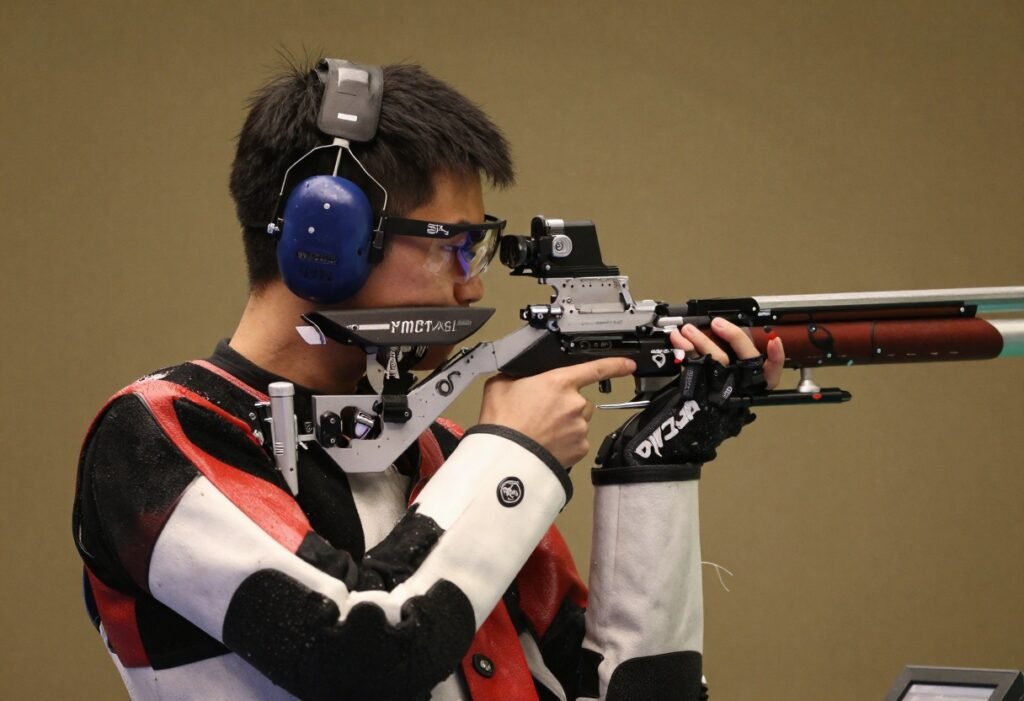
Now, with the drama (hopefully) behind him, Baki can focus on what matters: the targets in New Delhi. The Asian Championships are brutal. You’re up against the powerhouses: China, India, South Korea, Kazakhstan. These nations treat shooting like a science, with funding and facilities Bangladesh can only dream of.
Yet, Baki has competed with them before. He knows the drill. The 10m air rifle event is a game of microscopic margins. A flicker of thought, a tiny tremor, and your dream is gone. The pressure is immense, especially with the Paris 2024 quota places on the line. This might be his last realistic shot at a second Olympic appearance.
What can we expect? Honestly, it’s hard to say. Shooting is the ultimate unpredictable sport. The favorite can choke; the dark horse can have the day of their life. Baki’s experience is his biggest weapon. He won’t be overawed by the occasion. But has the administrative chaos messed with his focus? It’s impossible to know. You hope he can compartmentalize it, use it as fuel even. Sometimes, proving people wrong is the best motivation of all.
A Wake-Up Call for the System
Look, this story has a happy-ish ending. Baki is on the plane. But it should serve as a massive wake-up call. This isn’t just about one shooter. It’s about how a nation treats its athletes. The systems need to work *for* them, not against them. Deadlines should be clear, communication should be open, and the goal should always be to get your best talent to the starting line in the best possible shape, not to trip them up on the way out the door.
Bangladesh has potential in shooting. There’s a growing interest. But stories like this can kill momentum. What young athlete wants to enter a sport where your own federation might be your biggest obstacle?
So, as Baki takes his place on the firing line in Delhi, he’ll be carrying more than just his nation’s hopes. He’ll be a test case. A reminder that talent and determination deserve to be met with support, not silly hurdles. I, for one, will be watching the results closely. Not just for the score, but for the story of resilience it represents. Go on, Baki. Show them what you’re made of.
This report draws on match reactions, player comments, and coverage from regional sports media.